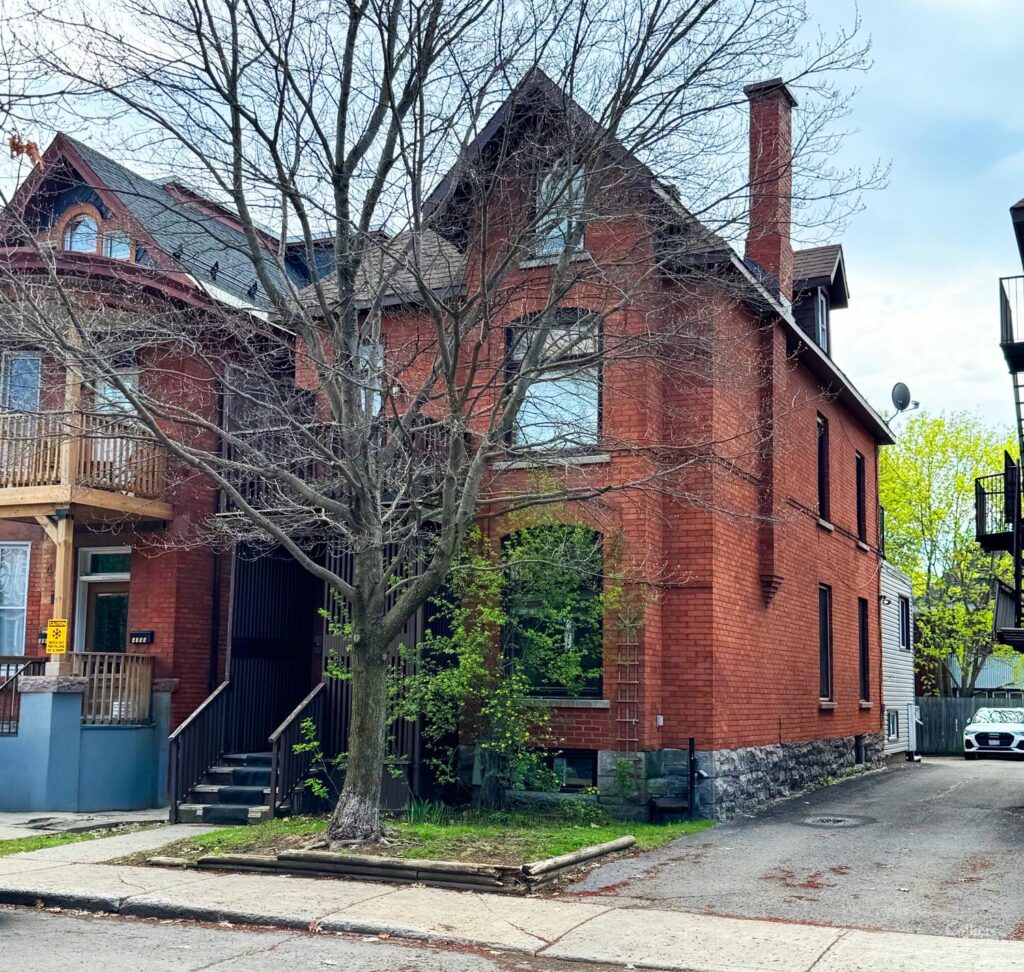
A Practical Way to Improve Comfort and Reduce Energy Costs in Low-Rise Multi-Unit Buildings
Most low-rise multi-unit buildings across Ontario face similar challenges.
There’s no central cooling.
Summer comfort complaints are increasing.
Winter energy costs keep going up.
At the same time, large HVAC replacements often feel risky — expensive, disruptive, and hard to justify.
The question most property managers ask isn’t “what system should we install?”
It’s “what’s the safest first step?”
Why major upgrades often stall
For many multi-unit buildings, full system replacements raise real concerns:
- Tenant disruption and access challenges
- Electrical capacity limitations
- Budget and board approval risk
- Uncertainty around rebates and timing
Because of this, many upgrade discussions never move past the planning stage.
Why ductless works as a first step
Ductless heat pump systems offer a practical alternative — not as a full replacement, but as a
modular energy upgrade.
In the right buildings, ductless systems can:
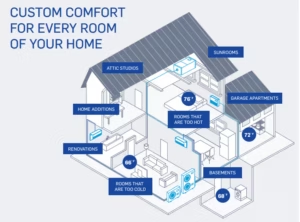
- Provide immediate summer cooling where none exists
- Reduce winter heating demand without removing existing systems
- Be installed suite by suite or in phases
- Minimize disruption for tenants and daily operations
This makes ductless a realistic starting point, especially for low-rise rental and senior housing.
It’s not about going “all electric”
One common misconception is that ductless upgrades require a full electrification strategy.
In practice, many buildings take a hybrid approach:
- Existing systems remain in place
- Ductless handles comfort improvement and partial heating load
- Larger system decisions are deferred until conditions are clearer
This approach keeps options open and avoids locking the building into premature decisions.
What matters most: decision risk
From a property management perspective, the biggest risk isn’t missing potential savings —
it’s making the wrong move.
A sound upgrade approach should:
- Avoid irreversible commitments
- Allow for pilot projects
- Align with tenant access realities
- Support future upgrades without forcing them
That’s why starting small, learning from real performance, and expanding only when it makes sense
often leads to better outcomes.
Our role
At Pinewoods Hill Eco Solution, we work with property managers and building owners
to support early-stage energy upgrade decisions.
Our focus is on:
- Understanding building constraints
- Identifying low-risk upgrade paths
- Coordinating staged implementation through licensed partners
We don’t push aggressive system replacements, and we don’t provide ongoing maintenance services.
Our role is to help buildings take the first step safely.
Final thought:
For low-rise multi-unit buildings considering energy upgrades, the best outcome usually starts with
a clear, low-disruption first step.
If you’re exploring options and want clarity before committing to a larger project,
a short readiness review is often the right place to begin.